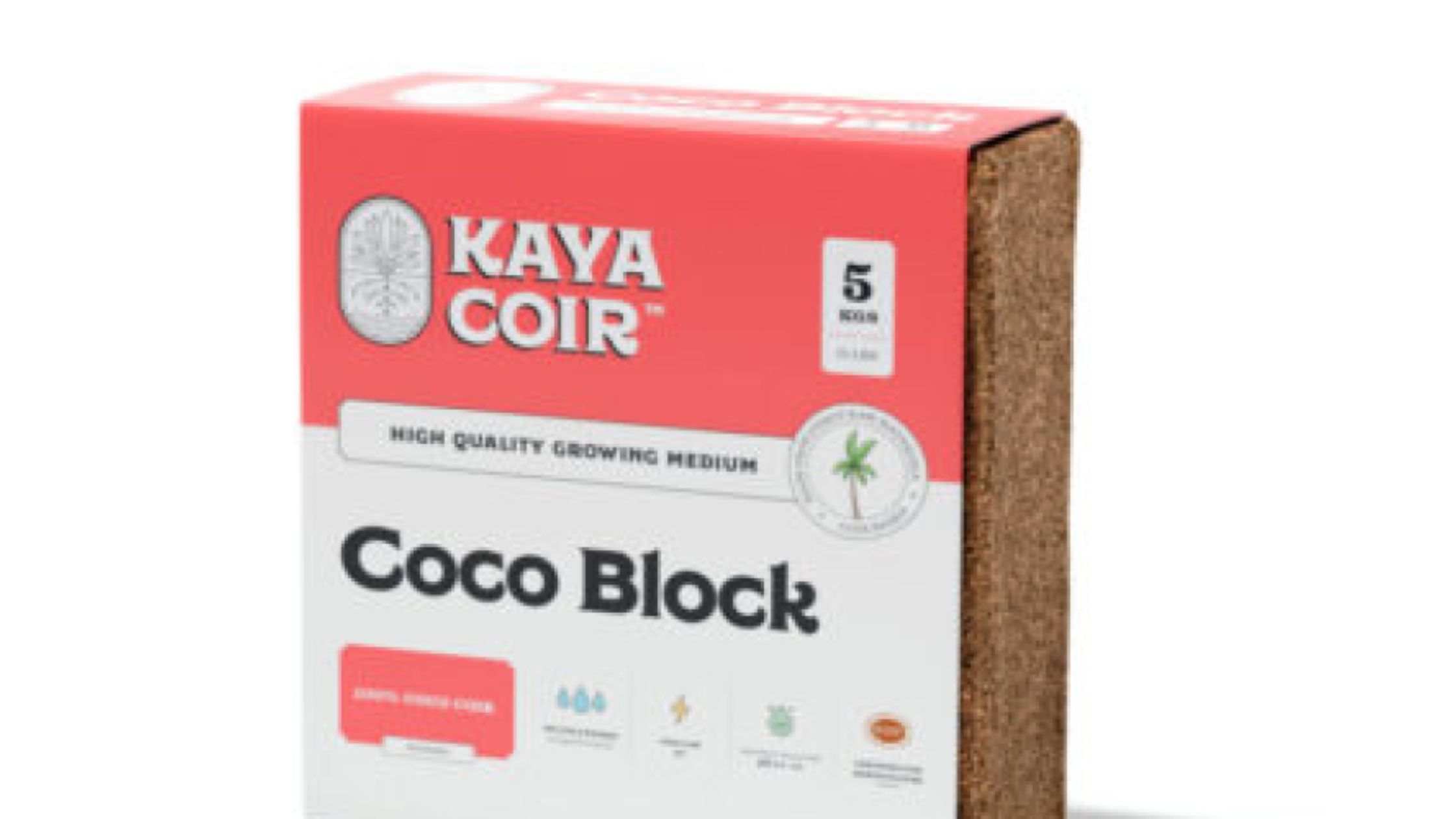
Looking for a growing medium that is easy to handle, holds moisture, and supports healthy roots? Finding the right coco peat block for sale is not only about comparing prices. Growers should also check quality, processing, moisture control, pH, EC, and the intended use before choosing a product.
What Should You Check Before Buying Coco Peat?
A good growing medium should create a healthy balance between water and air. Coco peat can hold moisture while allowing air to move around the roots. However, the quality can vary between products.
Here are the main factors to consider:
- EC level: Lower salt levels can make nutrient management easier.
- pH range: A suitable pH helps create a better root environment.
- Water retention: The medium should hold enough moisture without staying too wet.
- Aeration: Good air space helps roots access oxygen.
- Processing: Proper washing and buffering can improve consistency.
- Expansion: Compressed blocks should expand evenly after hydration.
- Certification: Independent quality standards can provide extra confidence.
Why Do RHP Certified Coir Products Matter?
RHP-certified coir products are produced under quality requirements designed for horticultural growing media. RHP certification can help growers identify coir that meets defined standards for factors such as physical properties, chemical characteristics, and contaminants.
For growers, certification is useful because it provides a clearer quality benchmark. It can be particularly helpful when selecting growing media for repeated cultivation or larger growing operations.
How Can Growers Choose the Right Product?
The best choice depends on the growing setup. A small container garden may need a different product from a commercial hydroponic operation.
Growers should consider container size, plant type, watering routine, and whether the medium will be used alone or blended with materials such as perlite or coco chips.
Compressed blocks can also be useful when storage and transport space matters. Once hydrated, they expand into a larger volume of usable growing media.
How Does Kaya Coir Help With Growing Media Needs?
Kaya Coir offers several growing media formats designed for different cultivation requirements. Its range includes compressed coco products, loose fill coco, coco and perlite blends, coco chips, blocks, and slabs.
The company focuses on RHP-certified coco coir with features such as low EC, balanced pH, moisture retention, and good aeration. Its products support applications including propagation, gardening, vegetation, and hydroponic cultivation.
Kaya Coir also incorporates sustainable practices into production. Coconut husks are sourced through farmer partnerships, while the company uses renewable energy, water recycling, and rainwater harvesting. These practices provide growers with options that combine growing performance with responsible resource use.
Conclusion
Choosing a coco peat block for sale should involve more than looking at cost. Checking EC, pH, aeration, water retention, processing, expansion, and certification can help growers select a more suitable medium.
For those comparing different growing media, Kaya Coir‘s range provides several formats and blends for different cultivation needs. Reviewing the specifications and matching them to the growing system is a practical way to make a confident choice.