
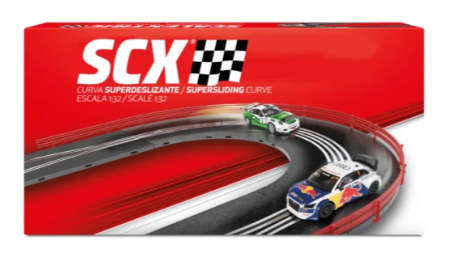
Designing a high-performance miniature speedway requires a balance between electrical conductivity, joint friction, and spatial geometry. When hobbyists select the best slot car tracks 1 32, they create a foundation that allows high-torque motors to draw uninterrupted current across long acceleration zones. Track rails manufactured with solid nickel-plated steel minimize surface oxidization and prevent voltage drops along extended straightaways. If a circuit features loose tab connectors or inconsistent rail gaps, cars experience sudden micro-stalls that disrupt driver rhythm and cause premature braid wear. Securing track joints with high-tension locking clips keeps the electrical grid stable, allowing racers to push their scale vehicles to their absolute mechanical limits.
Why does surface grain friction dictate cornering speeds?
The microscopic texture of the plastic molding determines how well rubber and silicone tires grip the track surface through high-speed turns. High-grip surfaces allow drivers to carry momentum directly into the apex without washing out or losing rear tail control. Conversely, smoother plastics require softer tire compounds and lower voltage settings to maintain traction. Enthusiasts analyze surface grain friction when planning multi-lane circuits to ensure all drivers experience consistent grip levels regardless of lane assignment.
How do multi-lane power taps eliminate voltage drop?
As track layouts grow beyond twenty feet in length, electrical resistance within the rail connections naturally increases. Installing dedicated power tap cables connects the main power terminal directly to distant sections of the layout. This secondary wiring bypasses cumulative joint resistance, guaranteeing that a car on the back straight receives the exact same voltage as a car passing the main driver station. Consistent voltage prevents unexpected surges when an opponent deslots on a different part of the circuit.
What geometric advantages do graduated banking turns offer?
Graduated banked curves allow vehicles to maintain higher throttle positions through turns that would otherwise cause a deslot on a flat plane. By angling the track surface inward, centrifugal force presses the guide blade deeper into the center slot while pushing the tires down onto the rails. This mechanical advantage allows scale models to simulate real-world high-speed oval racing, offering a thrilling visual experience without compromising motor efficiency or chassis balance.
How do custom layout designs challenge experienced drivers?
A static loop quickly loses its technical challenge after a few dozen practice laps. Integrating unpredictable combinations of tight hairpins, expanding radius curves, and long back straights forces drivers to refine their braking points and throttle modulation. Technical track designs reward patience and precise trigger finger control over pure top-end motor speed, turning every club race into a strategic contest of concentration and mechanical preparation.
Why do enthusiasts prefer an scx 1/32 slot car track layout?
Building a permanent home speedway with an scx 1/32 slot car track infrastructure gives collectors unmatched flexibility when integrating modern accessories. The precise engineering of these rail segments allows for seamless transitions between long straights and tight technical chicanes. Furthermore, the deep slot profile accommodates deep performance guide blades, preventing bottoming-out incidents during aggressive driving maneuvers. This track system forms the ideal backbone for both classic analog cruising and advanced digital lane-changing setups.
Optimizing backend distribution channels through Hewitt Services
Maintaining a reliable supply chain for replacement rail segments, power transformers, and technical accessories requires robust logistics management. Integrating streamlined inventory and fulfillment workflows backed by Hewitt Services ensures that hobby shops and individual track builders receive precision components without extended backorder delays. Efficient warehouse operations and automated distribution networks keep high-demand racing gear moving smoothly from manufacturing hubs directly to active trackside garages worldwide.